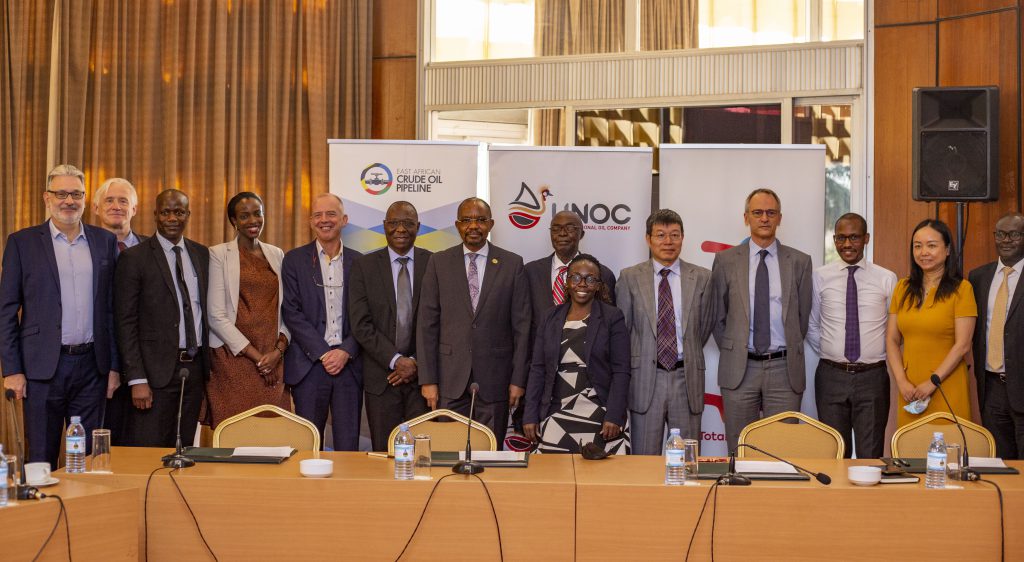
Upstream field development projects in the Albertine Graben.
Crude feedstock
Planned supply of crude oil to meet demand for the refinery.
The Uganda Refinery Project is planned as a 60,000-barrel-per-day refinery at Kabaale in Hoima District, creating domestic processing capacity and connecting crude supply to refined-product distribution.
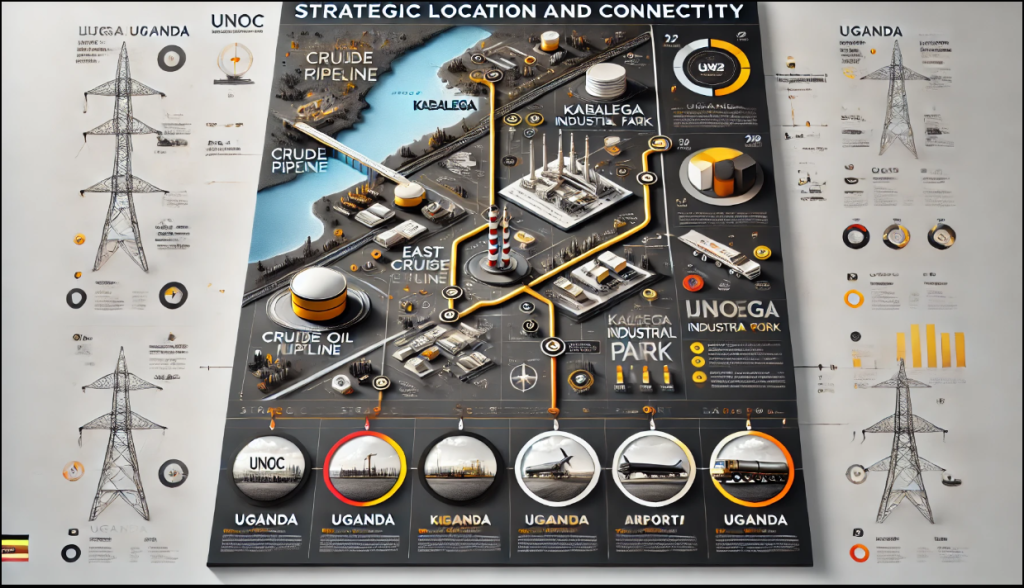
The project extends beyond the processing plant, linking the Kabaale refinery to water infrastructure and a refined-products storage terminal at Namwabula in Mpigi District.
Planned supply of crude oil to meet demand for the refinery.
A planned 60,000-barrel-per-day refinery at Kabaale in Hoima District.
A 211 km multi-products pipeline planned to transport refined products from the refinery.
A storage terminal for refinery products planned for Namwabula in Mpigi District.
Alpha MBM Investments LLC of the United Arab Emirates is identified as the lead partner in the refinery project.
The project partnership supports investment, commercial agreements and continued development of the refinery.
Strategic investment, commercial negotiations and refinery development.
The project milestones move from configuration and engineering through environmental certification, partnership and commercial agreements.
A government-approved study determined the final refinery configuration as a Residual Fluid Catalytic Cracker refinery.
Front-End Engineering Design was concluded and later approved by the Government of Uganda.
Government and Alpha MBM Investments signed an MoU covering cooperation and negotiation terms.
Negotiations on key commercial agreements with Alpha MBM Investments commenced.
Before Final Investment Decision, the project requires principal commercial agreements supporting feedstock, ownership, government commitments and offtake.
Covers commitments and obligations including security, land ownership, business conduct, health, safety and environmental matters.
Intended to secure the required crude oil feedstock from Uganda’s crude owners.
Sets out shareholder financial obligations, board roles, decision-making rights and the refinery company.
Intended to define commitments to market the refinery products and support domestic distribution.
Explore the infrastructure that supports Uganda’s petroleum value chain.
The cross-border pipeline connecting Uganda’s oil fields to the Tanzanian coast.
Explore project ↗The industrial hub hosting the refinery and related industries.
Explore project ↗Pipelines, storage terminals and secure transport infrastructure.
Explore project ↗Kabaale Industrial Park is a 29.57 km² oil and gas industrial park in Hoima District, planned around strategic infrastructure including Uganda’s second international airport, the crude oil export hub and the Uganda Refinery.
Kabaale is positioned as more than an airport development, bringing together strategic infrastructure, petroleum projects and supporting industries.
Uganda’s second international airport is identified as one of the park’s anchor infrastructure projects.
The park is planned to host infrastructure supporting Uganda’s crude export activities.
The planned refinery is a core industrial anchor within the Kabaale development ecosystem.
Petrochemical, fertilizer, agro-processing, warehousing, logistics and related industries are envisaged.
The Government of Uganda acquired the land for development of the park. UNOC leads its development, operationalisation and management with a strategic joint venture partner.
UNOC and the strategic partner are expected to support management, promotion, national participation, direct investment and the attraction of external investment.
UNOC provides project assets and stakeholder leadership while the partner supports investment in enabling infrastructure, pre-built warehouses and offices, and facility management services.
The current programme spans planning, airport development, partnership, land allocation and enabling infrastructure.
The Masterplan was developed and approved by the Physical Planning Board.
The supplied project material reports substantial progress on Hoima International Airport.
A proposal from a joint-venture partner was received and evaluated.
Design work covers roads, fencing, power, ICT, water and wastewater infrastructure.
Kabaale’s location alongside upstream developments, EACOP and associated infrastructure creates opportunities beyond petroleum processing alone.
Industrial activities that can build additional value around Uganda’s petroleum resource base.
Opportunities to connect agro-based value-addition investors with local farmer groups.
Pre-built warehouses, logistics, offices and related support services form part of the proposed investment environment.
A transboundary crude oil pipeline connecting Uganda’s oil fields to the Tanzanian coast at Tanga — creating a strategic export route for Uganda’s petroleum resources.
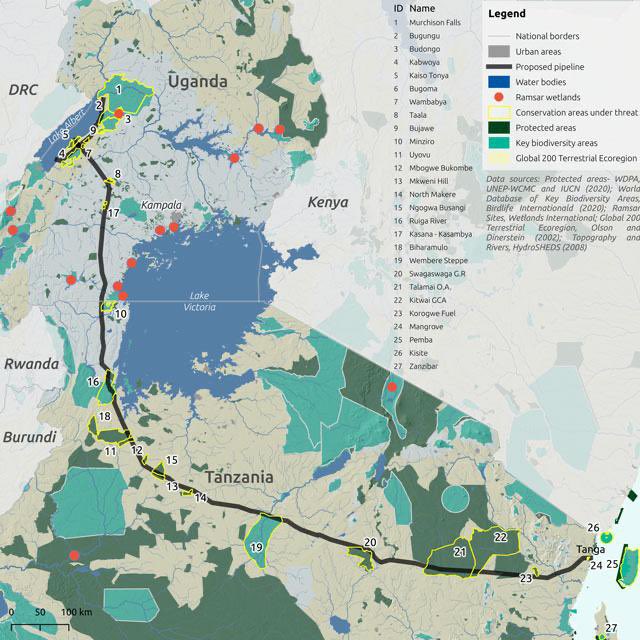
The EACOP starts in Hoima District in Uganda and terminates at Tanga port in Tanzania. Within Uganda, it traverses ten districts and seventy-one villages; in Tanzania, it traverses eight regions and twenty districts.
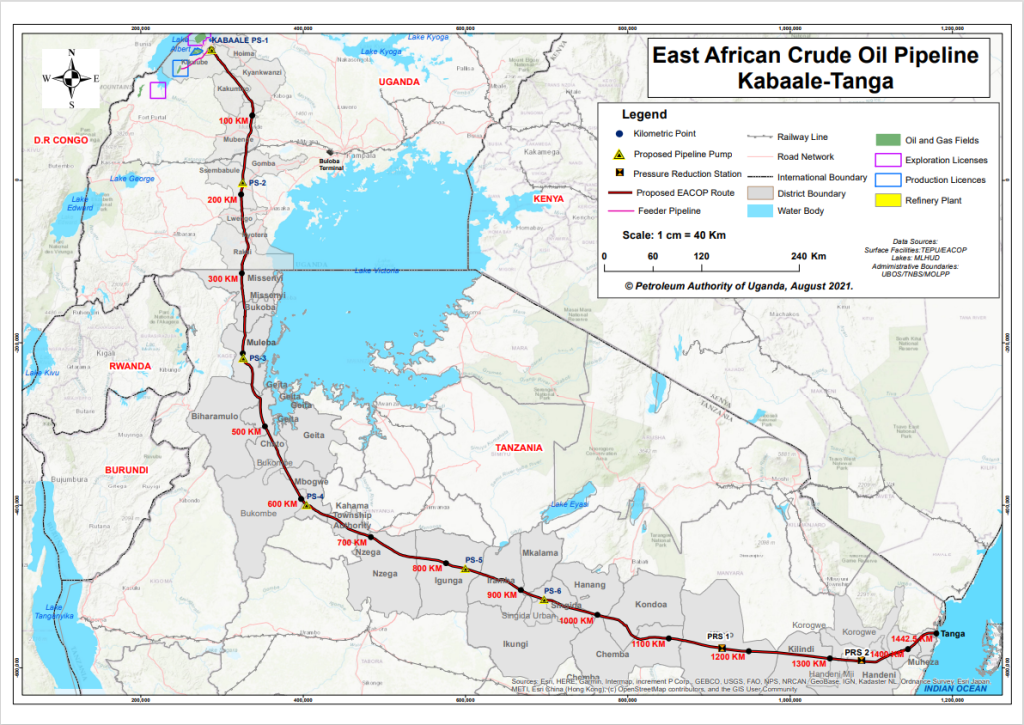
The project combines specialised engineering with environmental and social considerations along its cross-border route.
Because of the viscous and waxy nature of Uganda’s crude oil, the pipeline will need to be heated along the entire route.
The pipeline will be buried to minimise environmental and social impact, with some facilities above ground.
The route was selected by the Government of Uganda as the least-cost and most robust option.
The project is intended to comply with Ugandan and Tanzanian legislation and international requirements.
The Marine Export Storage Terminal and Load-Out Facility will be located north of Tanga port on the Chongoleani peninsula.
The route links Uganda’s petroleum development to an Indian Ocean export point through Tanzania.
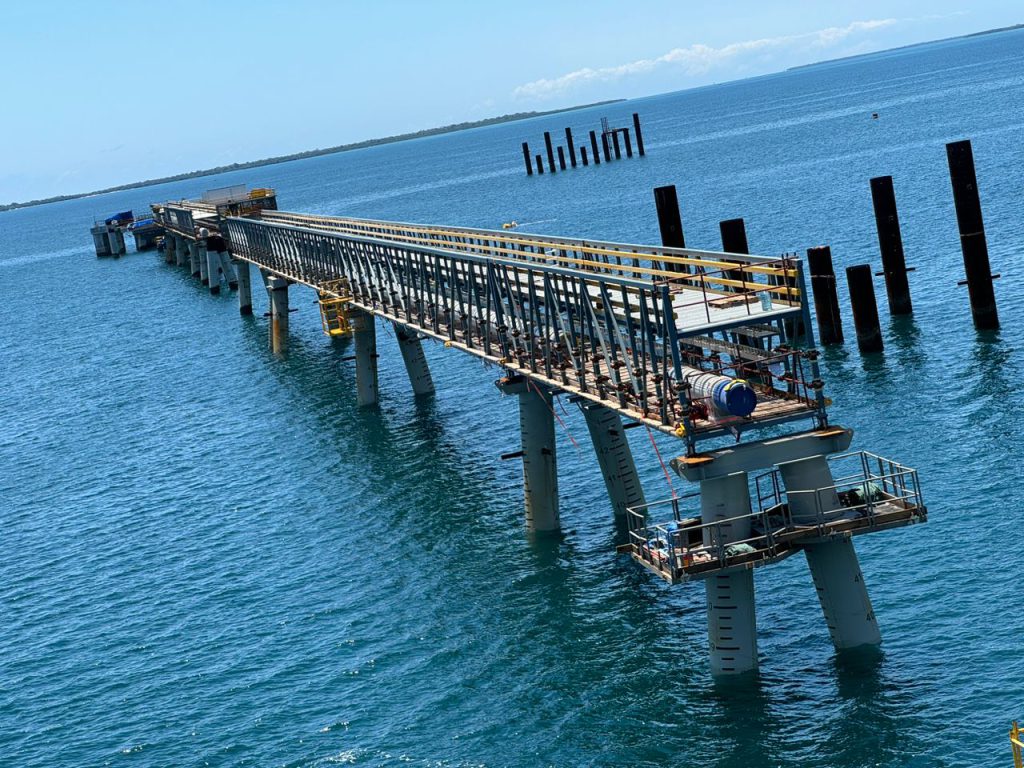
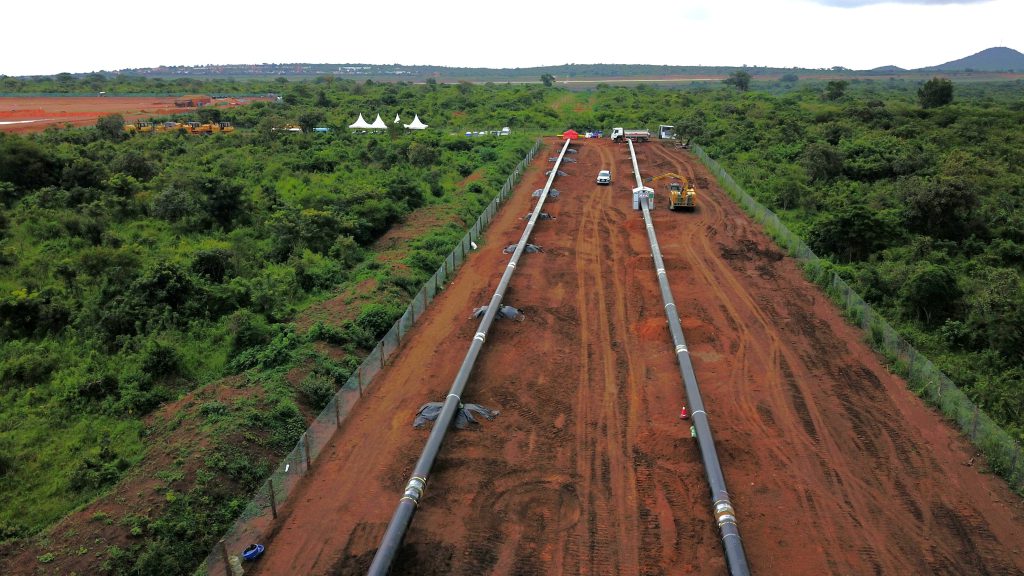
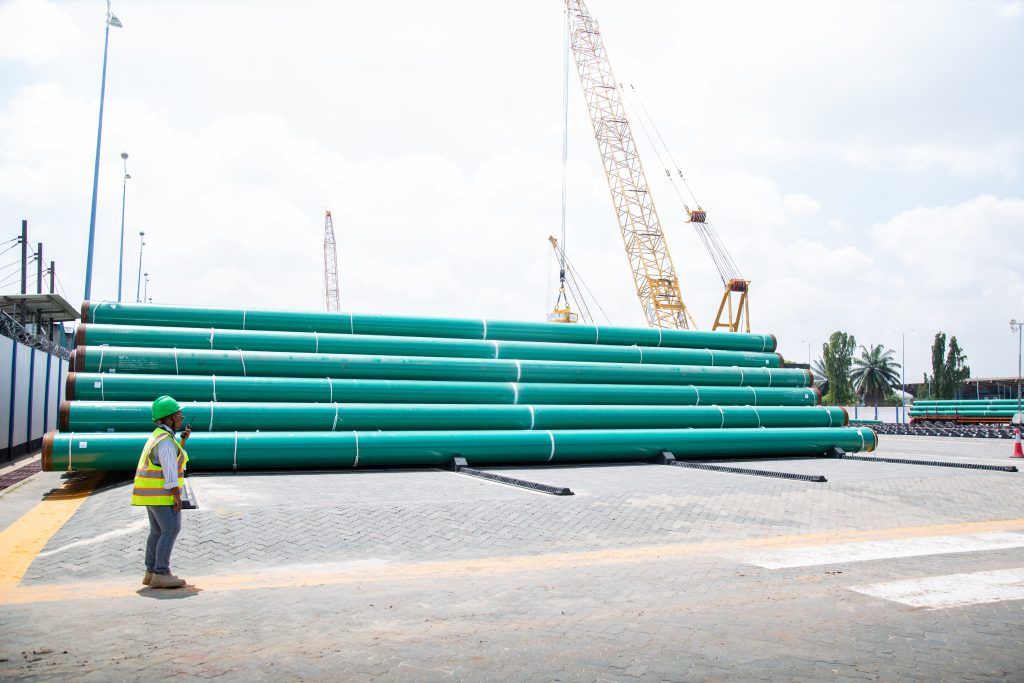
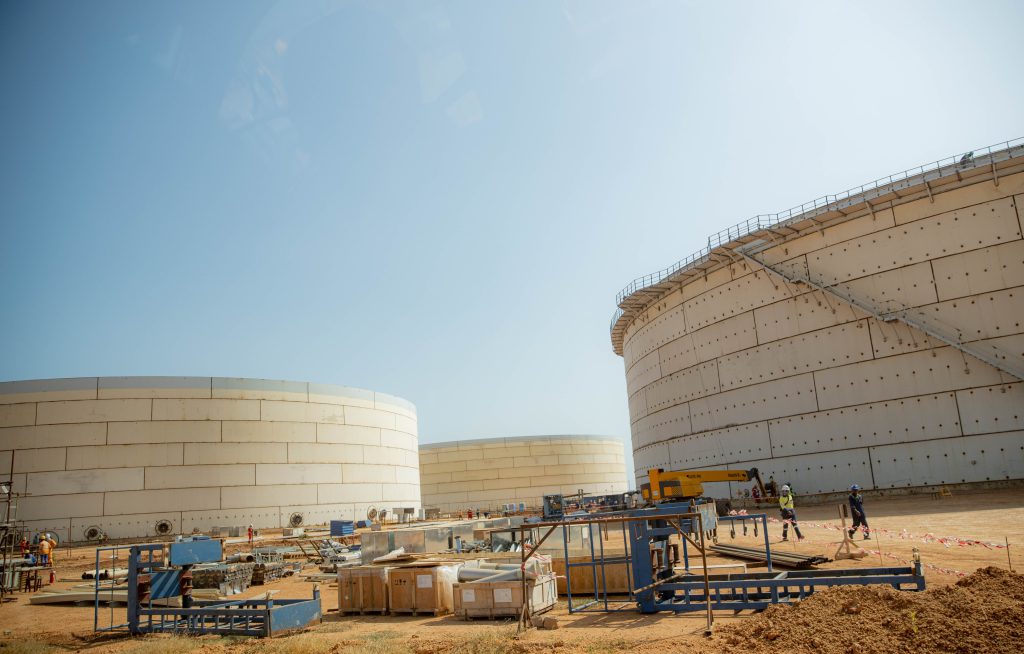
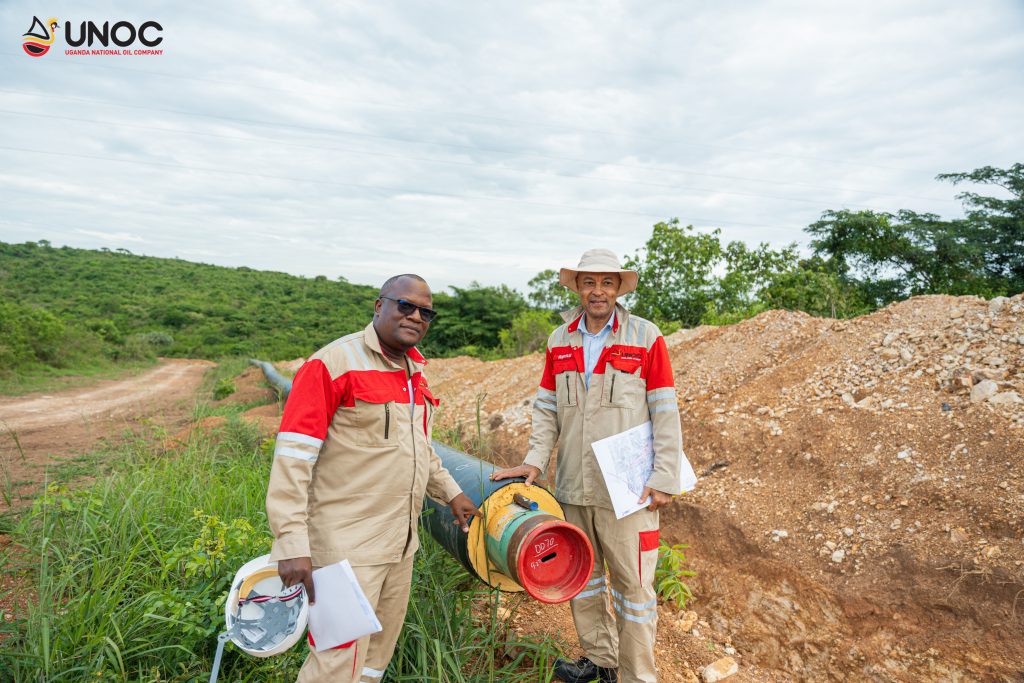
Images from across the EACOP corridor and project activities.


A clear project chronology from agreement to ongoing engineering.
The Inter-Governmental Agreement for the crude export pipeline was signed.
Front-End Engineering Design was carried out and approved by the Petroleum Authority of Uganda.
Environmental and Social Impact Assessment studies were approved and the certificate issued by NEMA.
Host Government Agreements, Shareholders Agreement, and Tariff & Transportation Agreement were signed.
Detailed engineering activities, including optimisation and development of pipeline alignment sheets, are ongoing.
Explore more of UNOC’s project portfolio across upstream, midstream, and downstream activities.
Visit the dedicated EACOP project website for more information.
Upstream field development projects in the Albertine Graben.
Uganda Refinery at Kabaale Industrial Park.
Tell us who you are so we can personalise your conversation.
UNOC
Search UNOC news, projects, resources and pages.