56.67%
TotalEnergies EP Uganda BV
Project operator
A major upstream development north of Lake Albert, bringing together six production licences, approximately 400 wells and the infrastructure required to process up to 190,000 barrels of oil per day.
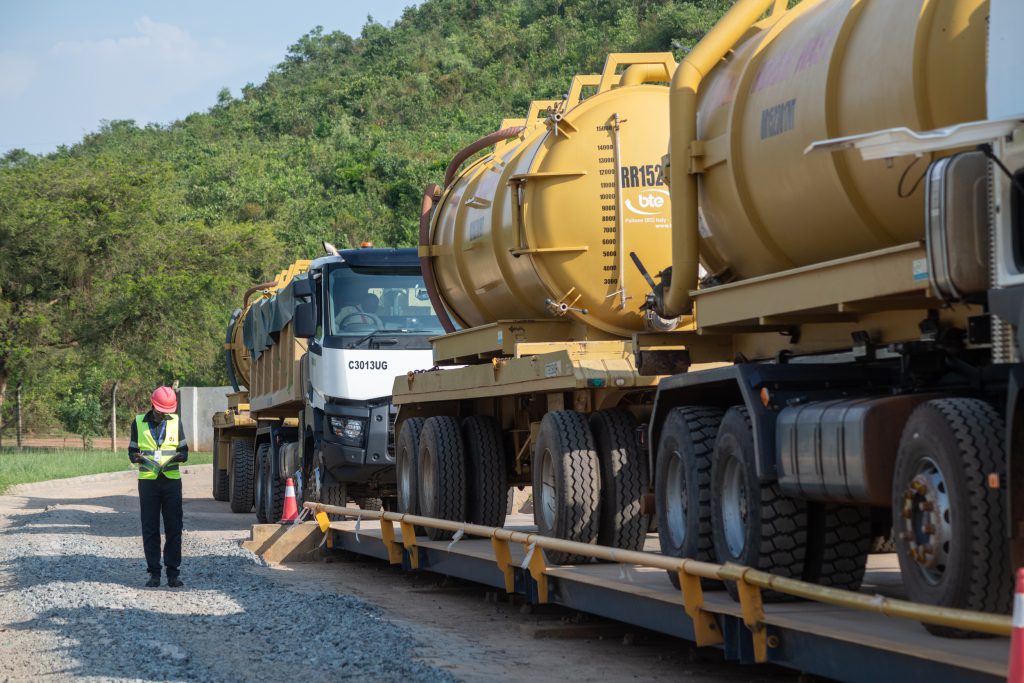
Tilenga straddles Buliisa and Nwoya districts north of Lake Albert. The project combines three production licences from Contract Area 1 and three from Licence Area 2.
The licences include Jobi-Rii, Gunya, Ngiri, Kasamene-Wahrindi, Kigogole-Ngara and Nsoga. Approximately 400 wells are planned from 31 locations, reducing the development footprint while supplying a central processing facility in Buliisa.
Project operator
Joint venture partner
UNOC participating interest
Tilenga integrates production, processing, water abstraction and supporting infrastructure into a single development system.
Approximately 400 wells drilled from 31 locations across the six production licences.
A 95-kilometre flow line network connects producing areas to the Central Processing Facility.
The CPF at Kasinyi, Nwoya is expected to process crude from production wells.
Infrastructure for water abstraction, feeder lines, construction camps and support bases completes the project system.
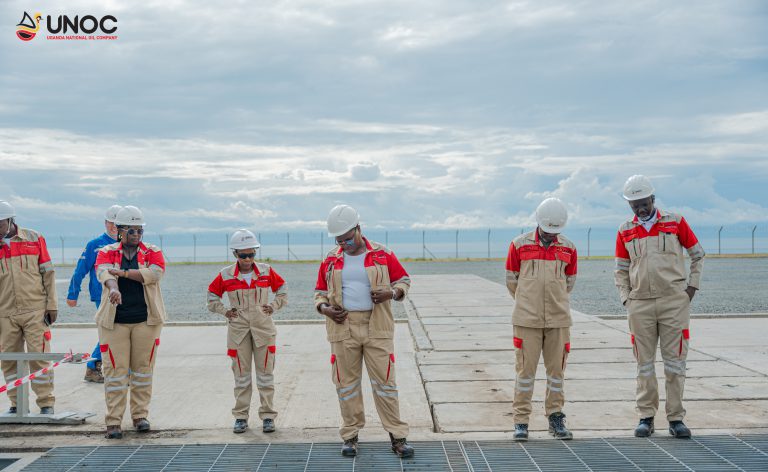

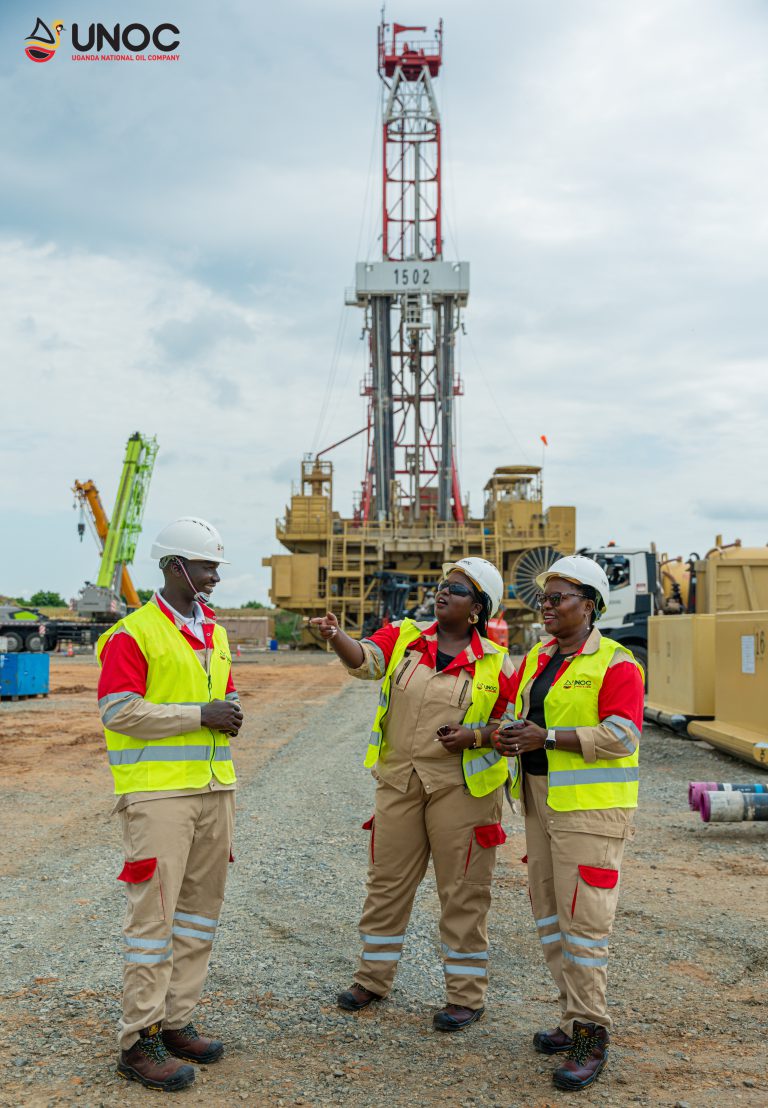
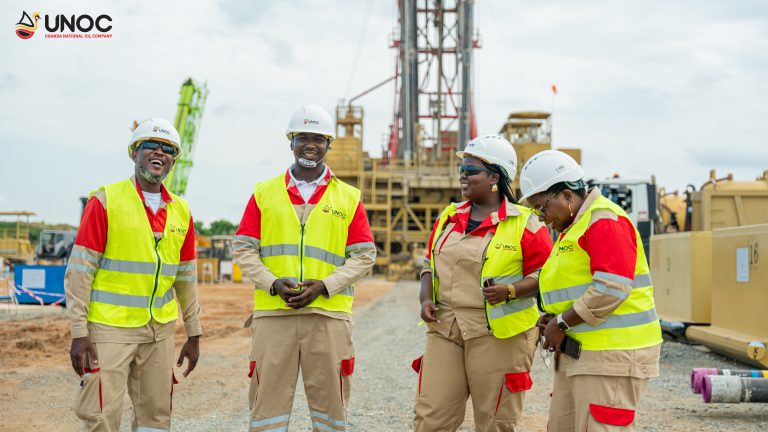
Alongside the Environmental and Social Impact Assessment, the project applies a biodiversity action plan structured around the Avoid–Reduce–Compensate principle.
Plan project activity to prevent impacts where practical.
Minimise impacts that cannot be completely avoided.
Address residual impacts through appropriate measures.
Selected project milestones.
Front-End Engineering and Design for the project was completed.
The National Environment Management Authority issued the project’s environmental certificate.
Final Investment Decision was announced alongside Kingfisher and EACOP.
Tell us who you are so we can personalise your conversation.